
• Welcome to Masomo College of Science and Engineering

    Masomo College of Science and Engineering is a dynamic institution committed to delivering quality education and training in science, technology, and engineering disciplines. The college aims to empower students with the knowledge, practical skills, and innovative mindset required to thrive in today’s competitive and technology-driven world.

    Our academic programs are carefully designed to combine strong theoretical foundations with hands-on experience. Through modern teaching methods, well-equipped laboratories, and industry-relevant projects, students gain real-world exposure that prepares them for employment, entrepreneurship, and further studies.

    The college hosts a range of departments, including the Information and Communication Technology (ICT) Department, Engineering Department, and Applied Sciences, all focused on developing competent professionals who can contribute meaningfully to society.

    At Masomo College, we emphasize integrity, creativity, critical thinking, and the ethical use of technology. We strive to create a supportive and inclusive learning environment where students are encouraged to explore their potential and become problem-solvers and innovators.


    Our Vision
    To be a leading institution in science and engineering education, recognized for excellence in training, innovation, and research that transforms society.


    Our Mission
    To provide quality, accessible, and practical education in science, technology, and engineering by:

    • Equipping students with relevant knowledge and technical skills

    • Promoting innovation, creativity, and entrepreneurship

    • Fostering ethical values and professional integrity

    • Supporting research and community development initiatives

    (You can edit or remove this text)

Available courses

Course Title: Computer Applications

Course Description:
This course introduces students to the practical use of common computer applications essential for academic, professional, and personal tasks. It focuses on developing hands-on skills in widely used software tools, including word processing, spreadsheets, presentation software, and basic database applications.

Students will learn how to create and format documents, analyze and manage data using spreadsheets, design effective presentations, and organize information efficiently. The course also covers internet and email usage, file management, and basic collaboration tools.

Emphasis is placed on accuracy, productivity, and the effective use of digital tools to solve real-world problems. By the end of the course, students will be able to confidently use computer applications to enhance communication, data handling, and overall workplace efficiency.

Course Title: Introduction to Information and Communication Technology (ICT)

Course Description:
This course provides a foundational understanding of information and communication technology and its role in modern society. It introduces students to basic computer concepts, including hardware, software, operating systems, and common application programs.

Students will learn essential digital skills such as word processing, spreadsheets, presentations, and internet usage. The course also explores data management, communication technologies, and the impact of ICT in various sectors such as education, business, and healthcare.

In addition, learners are introduced to important topics such as cybersecurity, digital ethics, and responsible use of technology. Through practical exercises and hands-on activities, students develop the confidence and skills needed to effectively use ICT tools for academic, professional, and personal purposes.

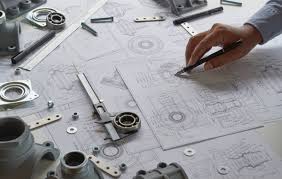
Engineering Drawing / Technical Drawing – Description

Engineering Drawing (also called Technical Drawing) is a course that teaches how to represent ideas, designs, and structures using standardized drawings and symbols. It is a basic and essential skill for engineers to communicate clearly in construction and design work.

Key aspects:

  • Teaches how to draw plans, elevations, and sections of structures
  • Uses drawing tools or computer software (CAD)
  • Follows standard symbols, scales, and dimensions
  • Helps in interpreting and reading engineering drawings
  • Applied in designing buildings, roads, machines, and other projects

Importance:

  • Improves accuracy and precision in design
  • Helps engineers communicate ideas effectively
  • Forms the foundation for construction and manufacturing